

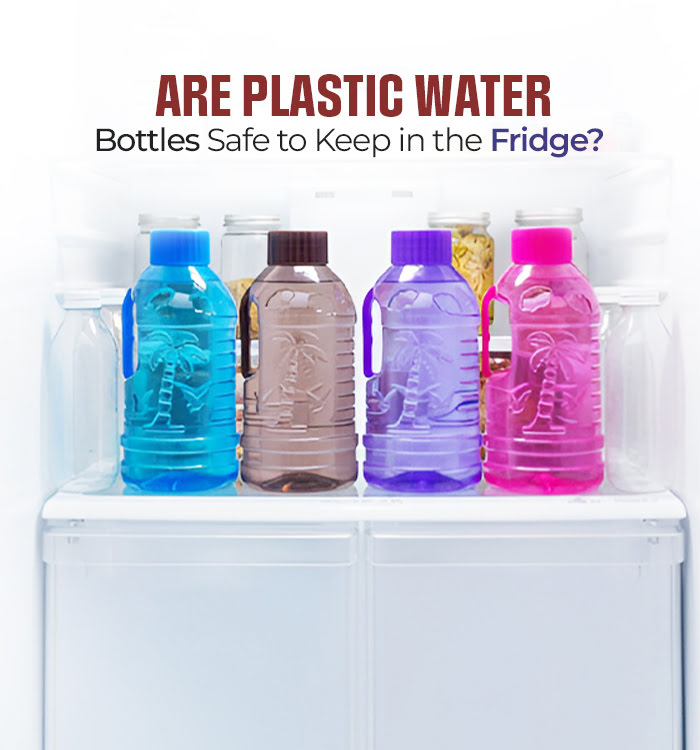
Are Plastic Water Bottles Safe to Keep in the Fridge?
Picture this: it’s a scorching afternoon, you’re running around finishing chores, and all you can think about is grabbing a cold drink from the fridge. You grab your trusty plastic water bottle, pop it in the fridge, and wait… but suddenly a thought hits you: “Wait… is this even safe?”
We’ve all had that moment of doubt. Maybe you’ve heard friends talk about chemicals leaching from plastic, or maybe you’ve read a headline that made you second-guess your everyday habits. It’s confusing, right?
Keeping plastic bottles in the fridge seems so simple, but with so much conflicting information out there, it’s hard to know what’s truly safe for you and your family.
Don’t worry, you’re not alone in wondering this. And the good news? With the right kind of bottles, staying hydrated with chilled water doesn’t have to come with any risk. Let’s break it down, answer your questions, and show you how to safely store plastic bottles in the fridge, without giving up that refreshing sip you love!
Is It Safe to Store Plastic Bottles in the Fridge?
The short answer is yes, it’s generally safe to keep plastic drinking water bottles in the fridge, as long as they’re made from food-grade plastic.
Refrigeration helps keep your water fresh and prevents bacteria from growing. The cool temperature doesn’t harm the plastic or cause it to release dangerous chemicals. In fact, most modern plastic bottles are tested for safety under cold and room temperatures.
However, problems can arise if:
- The bottle is old or damaged.
- It’s not meant for reuse (like single-use PET bottles)
- It’s exposed to heat before refrigeration.
That’s why it’s important to use the best bottles to refrigerate that are clearly labeled as BPA-free and reusable.
What’s the Deal with BPA?
You might’ve heard about something called BPA (Bisphenol A), a chemical once used in many plastic products. BPA can sometimes leach into food or drinks, especially when the plastic is heated. Studies have shown that high exposure to BPA might affect hormones and health over time.
But here’s the good news: most plastic water bottles today are BPA-free. Manufacturers know people are more health-conscious, so they’ve switched to safer materials.
If your bottle says “BPA-free”, it means it doesn’t contain this chemical and is safe for everyday use, including keeping it in the fridge.
What You Should Not Do
While it’s safe to chill plastic bottles in the fridge, there are a few habits you should avoid:
1. Don’t Freeze Bottled Water
Many people toss their plastic bottles into the freezer to get them extra cold. While this might seem harmless, freezing can make some plastics more brittle and cause cracks or leaks.
If you want icy water, it’s better to refrigerate it or pour it into a freezer-safe bottle before freezing.
2. Don’t Reuse Disposable Bottles Too Often
Single-use bottles (like the ones you buy from the store) are thin and not made for repeated use. Washing or refilling fridge water bottles multiple times can weaken the plastic, creating tiny cracks where bacteria can grow.
If you want to reuse, go for a durable, reusable plastic bottle; they’re safer and more eco-friendly.
3. Don’t Expose Bottles to Heat Before Refrigeration
If your plastic bottle has been sitting in a hot car or direct sunlight for hours, it’s better not to drink from it, even after refrigerating. Heat can cause certain chemicals to break down faster, especially in older bottles.

How to Store Plastic Water Bottles Safely
Now that you know the “don’ts,” let’s look at some “do’s” for safe and smart storage.
Use BPA-Free, Food-Grade Bottles
Always choose bottles labeled as BPA-free and made from food-grade plastic. These non-toxic fridge bottles are designed to handle temperature changes safely, including being kept in the fridge.
Keep Bottles Clean
If you’re reusing a plastic bottle, wash it daily with warm water and mild soap. Make sure it dries completely before refilling to prevent any bacterial growth.
Store Away from Strong-Smelling Foods
Plastic can sometimes absorb odors. If your fridge has strong-smelling foods like onions or fish, it’s best to keep your bottles on a separate shelf or sealed compartment.
Replace Old Bottles
Even the best plastic bottles have a limited lifespan. If your bottle looks cloudy, scratched, or warped, it’s time for a new one. Using fresh, clean bottles keeps your water tasting great and safe.
Can You Keep Other Drinks in Plastic Bottles, Too?
Absolutely! You can store juices, smoothies, or flavored water in fridge-safe bottles, too, just make sure to clean them properly after each use.
However, avoid keeping carbonated drinks in soft plastic bottles unless they’re specifically designed for it. Gas pressure can cause leaks or even make the bottle burst.

Not Sure Where to Find Reliable Fridge Water Bottles in Pakistan?
Now that you know plastic water bottles are safe to keep in the fridge, it’s time to make the smart choice! Choose Apple fridge water bottles, made from BPA-free, food-grade materials; they’re safe, stylish, and built to last. Whether you want something compact or family-sized, Apple has a design for every lifestyle. These bottles fit neatly in your fridge, keep your drinks chilled and fresh, and make staying hydrated easier than ever.
Explore our bottle collection:
- Khajoor Water Bottle
- Crystal Water Bottle
- Fridge Jug Bottle
- Crown Bottle
Get the best water bottle for refrigerator now and refresh your routine!
The Final Verdict
So, are plastic water bottles safe to keep in the fridge? Yes—absolutely!
As long as you’re using BPA-free, food-grade plastic bottles, keeping them in the fridge is not only safe but smart. It helps your water stay cool, fresh, and ready to drink anytime.
Just remember:
- Don’t reuse thin disposable bottles too often.
- Avoid heating or freezing them.
- Clean them regularly.
At the end of the day, staying hydrated is what really matters.
Plastic Jars Vs Glass Jars: Which One Should You Use for Food Storage?
The Ultimate Parent’s Guide to School Water Bottles
Related Posts

Is Your Water Bottle Really BPA Free? Think Again!

10 Mistakes Parents Make When Choosing Water Bottles for Their Kids

10 Reasons Why Families Prefer Apple Jugs Over Other Brands

Why Do Office Employees Prefer Apple Plastic Water Bottles?

Are Plastic Jars Good for Storing Grains and Pulses?

Glass or Plastic: Which Fridge Bottle Should You Choose?

What Should You Never Do with Plastic Food Jars?


